The post Test Blog Post appeared first on The Memory Lab.
]]>The post Test Blog Post appeared first on The Memory Lab.
]]>The post How important is photo preservation? appeared first on The Memory Lab.
]]>The influx of digital technology makes it easy to forget about everything that went before it – you don’t need us to tell you that!
However, with the reality of our beautiful old analogue world slowly coming to a standstill, the call to action of preserving our family history has never felt so important. The reality is that hundreds of millions of photographs have been lost or damaged, and all because of a lack of preservation. Therefore, it really does feel like it’s our responsibility to turn the tide, for not only our sake but for that of our future family generations. There WILL come a time when your Great-Great-Grandson will want to see a picture of you, and have access to the family history that YOU were a part of. With that said, it really does feel like a duty almost, to protect our family history and keep our photographs and physical memories safe from the potential damage that can occur with older images over the decades. And remember, there are always ways to repair damaged photos. You can always contact us to discuss image repair and we’ll do what we can to help.
In order to really understand how important preservation and digital intervention is, let’s explore the types of physical damage that can occur on your old photographs and ways in which we can prevent precious memories from getting lost forever.

Humidity & Moisture Damage
This is a critical one. Improper storage conditions can lead to humidity damage on your photographs which is then further accelerated by heat or sudden changes in temperature. Sadly with moisture comes harmful chemical reactions on the processed paper which leave mold growth and really unsightly marks creeping all over your beloved photo. Storing photographs in attics is an extremely common occurrence for the average household. However, more often than not, attics and lofts are far too warm to properly house older photographs and we’re doing a lot more harm by keeping them there than we think. In contrast, a basement is often too cool for long-term photo storage. A better idea would be to store your photographs and slides in an air-tight space in a cupboard or chest where conditions are much better controlled. And of course we don’t need to reiterate that digitising your collection immaculately preserves your images and “freezes” them in their current state….but we will!
Light
This is vital in processing photographs as we all know. However, ongoing exposure from the sun coming through the window onto your beautifully framed wedding photos can dramatically change the colour of your image, which will over time, fade to the point of no return. It seems also important to mention that the age of the photograph can determine how quickly it may fade. Ever wondered why that childhood photograph of you riding the carousel in the 70’s looked so orange? Colour photographs fade quickly in high levels of light, leaving colour-casts and obscure changes in hue. Digital preservation halts this process and non-destructive editing techniques now available can significantly improve the effects of light damage on our much-loved prints.
Oils
This is, at most, unavoidable to the everyday handler of a photograph unless you want to demand that all your loved ones wear latex gloves when passing round your old baby pictures. Our hands contain so much oil and dirt that it’s inevitable that photographic emulsions become damaged the more they’re touched. Clean, dry hands really are essential for handling photographs to prevent the speed of deterioration from oil. It’s really that simple and can massively help to reduce the impact of natural degradation.
The album itself
And finally, few of us actually consider the fact that the album itself could be a factor in how quickly our photographs fall foul to damage. The popular magnetic style albums from the 70’s onwards where the photos grip onto a sticky surface and are held in place by a clear layer of plastic are actually very damaging as they contain PVC – a destructive chemical leaving lasting and undesirable effects. And weirdly, these sorts of albums are still sold today! Luckily there are plenty of techniques you can try to safely remove your photographs from their albums – you’d be surprised the good a bit of humble dental floss can do in this particularly sticky situation, however it’s worth remembering if an album is older than 70 years, the likelihood of creating more damage by trying to remove a photograph is high.
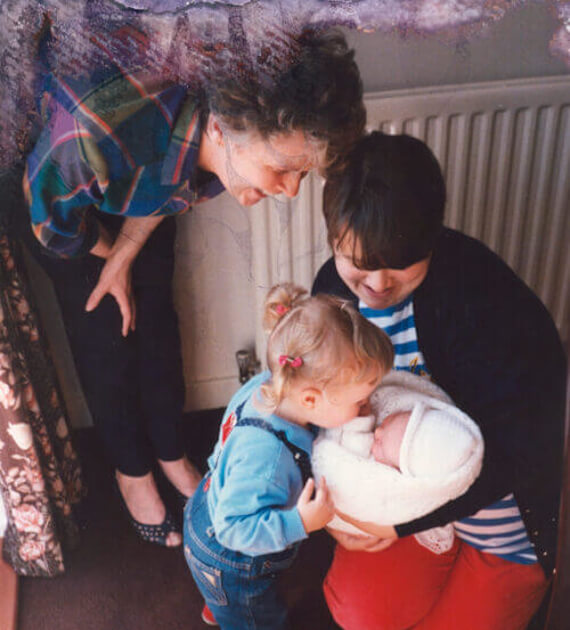
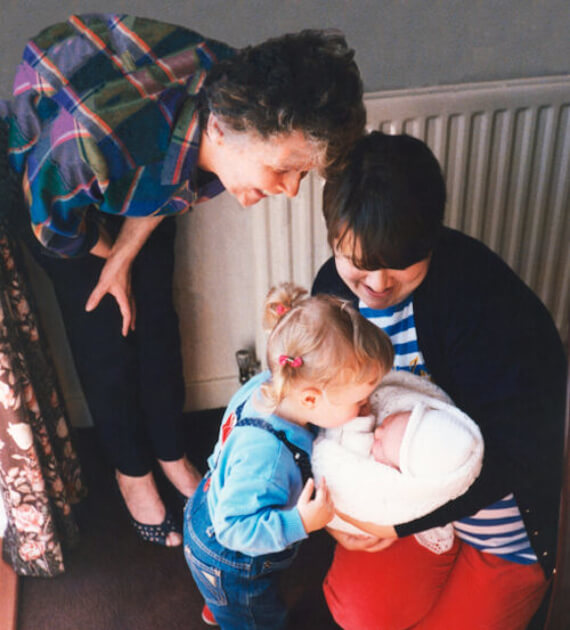
By listing just a few of the different types of environmental and chemical factors that can lead to irreversible physical damage, we’re hopeful that this makes people think about their own images and their current state.
The loss of images is unfortunate for countless reasons but there’s one that overrides most of the others. For many of us, an old photograph is one of the few physical reminders we may have of a person special to us. And equally as important those old photographs of relatives provide future generations with a vital link to their past.
Digital preservation and Image Restoration services offered by The Memory Lab will help repair damaged photos to keep those memories alive, those beautiful moments in your family history accessible for years to come, before natural and inevitable damage results in permanent loss.
The post How important is photo preservation? appeared first on The Memory Lab.
]]>The post Step into the Lab appeared first on The Memory Lab.
]]>Hello!
A huge welcome to The Memory Lab, and to this brand new blogging area of the website where we’ll keep you updated with our goings on behind-the-scenes, our latest news, case studies, technology trends and everything in-between! The Memory Lab is an old photo scanning, slide scanning and image restoration service. We’re a family business from the North of England, and love nothing more than a good old natter (preferably with a brew and a biscuit) so what better way than this to tell you all about what we do, why we do it and more importantly, how we can help you and your family reconnect with all your treasured memories.
The Blog will be updated regularly, but the aim is to always try and keep our content concise, relevant and dare we say it, perhaps even a little bit useful!
Our goal is always to help you with old photo scanning to preserve your much-loved images. Our customers are at the heart of everything we do and this blog is no different. If there’s something you’d like to know more about or have a question for us, we’d love to use this platform to highlight some of those topics. We’re keen on making our blog entries as collaborative as possible. So get in touch today and send us your questions about old photo scanning, image restoration and repair.
But, for now let’s start at the very beginning and we’ll tell you a little about our background and our reasons for starting the company. Here’s our company founder, to tell you more…
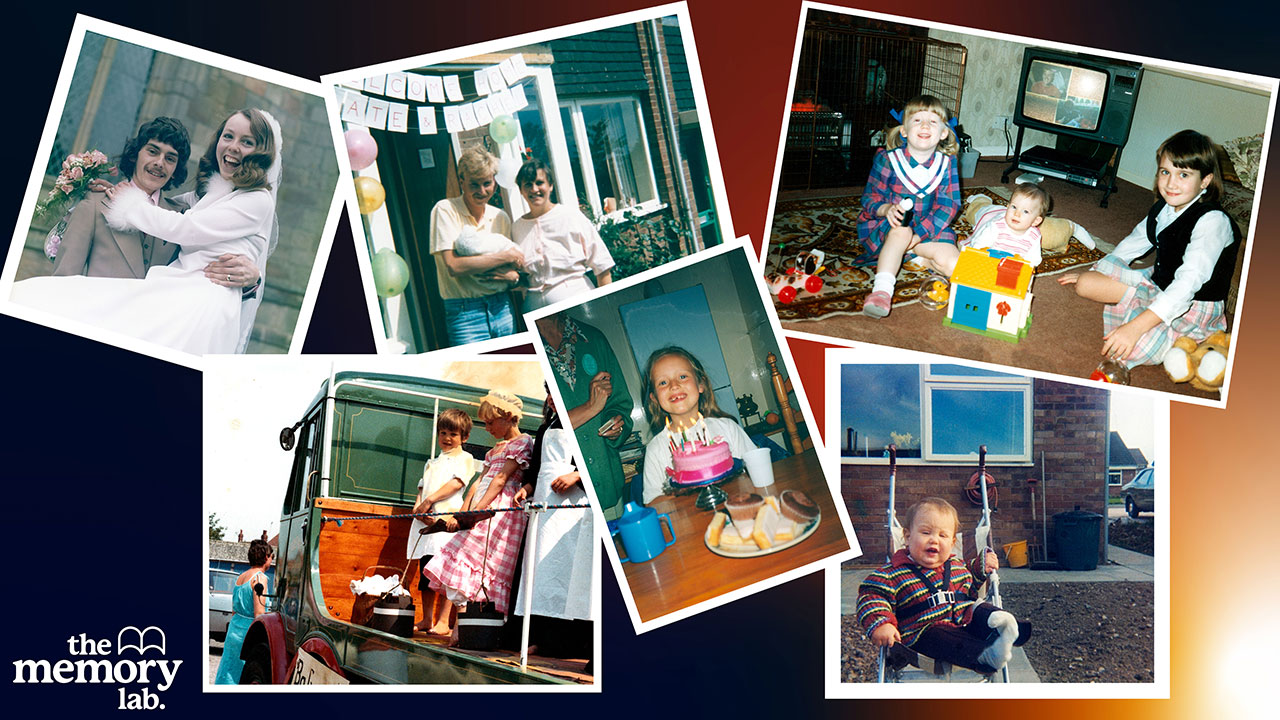
Hello! I’m Beth! I’ve spent the last decade and a half working in Television and Photography and have enjoyed an extremely fulfilling career in the Media Industry. At the start of this year however, and with a growing family, I felt the time was right to take that leap and go in a different direction. A direction that utilised all my skills and technical knowledge but in a way I was truly passionate about and where I could help people. Which got me thinking. Anybody that knows me will tell you how much I enjoy engaging with people and reminiscing about growing up. I’m the person at the party who loves to reminisce about childhood-homes, family holidays, first cars, family pets, weddings, Christmas parties, dodgy school photos, the wallpaper in your Great-Grandparents living room, babies entering the world and perhaps best of all, haircuts you’d sooner wished hadn’t entered the world. All these memories, traced back to however long ago, help to make us and our families who we are today. And luckily, memories like this have usually been lovingly captured in photographic form.
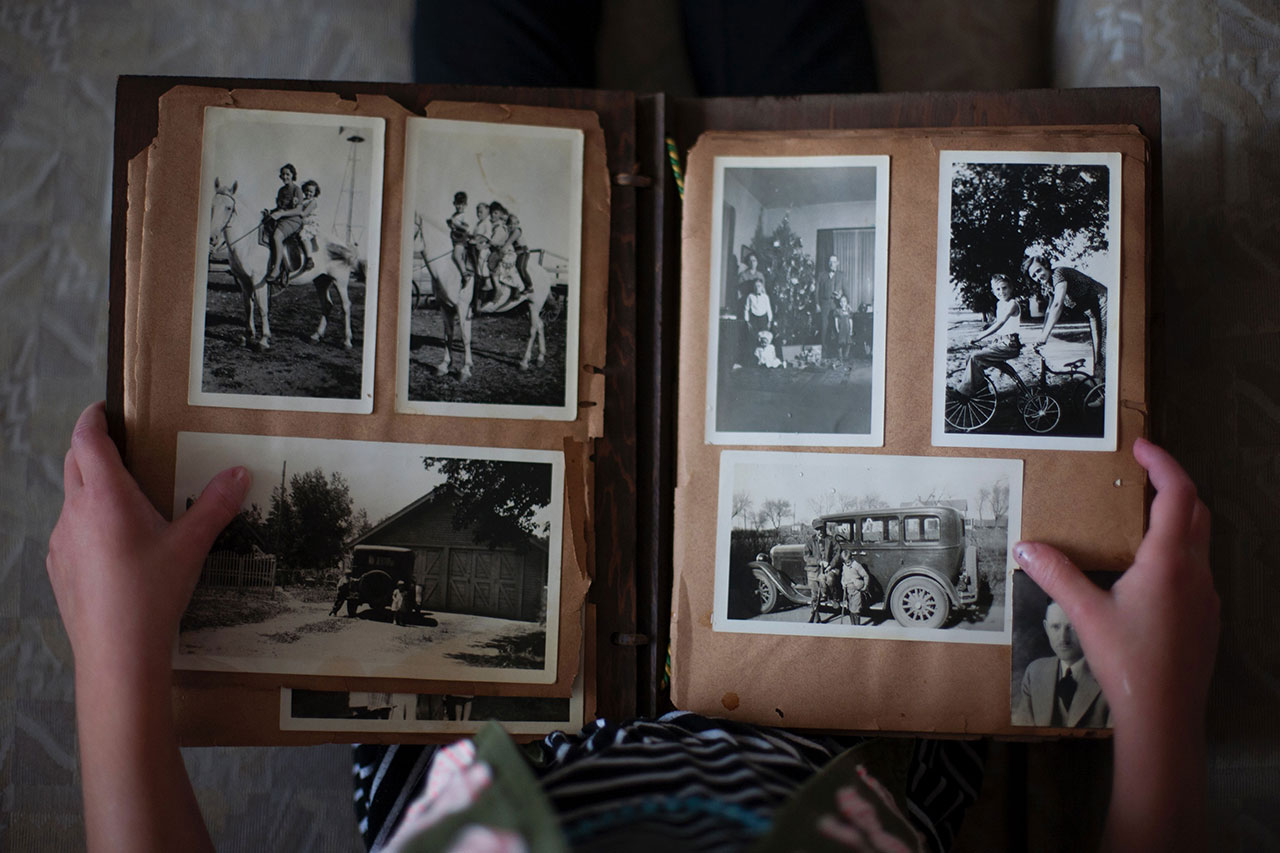
Now these days, we all take photos on our smartphones and tablets, and we’re accustomed to knowing these frozen moments in time are safely stored and digitally backed-up and catalogued in a way that we can return to them quickly, print them conveniently, and of course, share them endlessly on social media if desired. But what about the hundreds of physical photos and slides you’ve got in your attic? What about your Grandmother’s fragile Wedding slides or the nostalgia of “Greece ‘79”? What happens to your slightly water-damaged baby book from 1988 you’d want to show your own daughter some day or that one delicate sepia postage-stamp sized picture your Dad carried around in his wallet? As much as today’s photographs are automatically preserved in digital-form, these precious older analogue memories need to be too. And this is where the lightbulb moment came and The Memory Lab was born. The sole purpose of our company is to help you preserve all your old photos, slides and albums so they can be properly backed-up, cataloged and enjoyed into the future, for our families sake and for the benefit of future generations. We can’t let these beautiful points in our history get lost in the next big clear-out or house-move, they are just too important.
So next time you take a trip down Memory Lane and unearth that old box from the loft, consider it’s worth as a family heirloom and one that deserves to be given an all-important “digital footprint”.
I look forward to helping you and your families celebrate your memories.
Beth
The post Step into the Lab appeared first on The Memory Lab.
]]>